Can I wear a finger ring if I have a skin condition?
As a finger ring supplier, I often come across customers who have concerns about wearing rings when they have a skin condition. Skin conditions can range from mild irritations like eczema and dermatitis to more severe allergic reactions. In this blog, I'll explore the factors to consider when deciding whether it's safe to wear a finger ring with a skin condition and offer some tips to minimize potential risks.
Understanding Skin Conditions and Ring Materials
Before delving into whether you can wear a ring with a skin condition, it's crucial to understand the common types of skin conditions and how different ring materials can interact with them.
Eczema and Dermatitis: These are inflammatory skin conditions that cause redness, itching, and dryness. People with eczema or dermatitis have sensitive skin that can react to various substances, including metals. Metals like nickel, which is commonly used in inexpensive jewelry, can trigger allergic reactions in individuals with nickel sensitivity. When the skin comes into contact with nickel, it can cause itching, swelling, and a rash.
Allergic Reactions: Some people may be allergic to specific metals or other materials used in rings. For example, certain individuals may be allergic to gold, even though it's generally considered a hypoallergenic metal. Allergic reactions can vary in severity, from mild itching and redness to more severe blistering and swelling.
Ring Materials and Their Impact on Skin:
- Silver: Pure silver is relatively hypoallergenic, but many silver rings are alloyed with other metals, such as copper and nickel. Sterling silver, which is 92.5% silver and 7.5% other metals, may contain nickel, which can cause allergic reactions in sensitive individuals. However, there are also nickel-free silver rings available that are a better option for those with skin sensitivities. You can check out our Silver Leaf Shape Finger Ring, which is crafted with high - quality materials to minimize the risk of skin irritation.
- Gold: Gold is often considered a safe choice for people with skin conditions. However, as mentioned earlier, some individuals may still be allergic to it. Pure gold (24 karat) is the least likely to cause an allergic reaction, but it's also very soft and not suitable for everyday wear. Lower karat gold, such as 14 karat or 18 karat, contains other metals like copper, silver, and zinc, which may increase the risk of an allergic reaction. Our Fruit Finger Ring Gold Plated uses a high - quality gold plating process that reduces the likelihood of skin irritation.
- Platinum: Platinum is a hypoallergenic metal that is less likely to cause skin reactions. It's a dense and durable metal, making it a great choice for people with sensitive skin. However, platinum rings are often more expensive than other types of rings.
- Stainless Steel: Stainless steel is a popular choice for jewelry because it's affordable, durable, and generally hypoallergenic. It doesn't contain nickel or other common allergens, making it suitable for people with skin sensitivities.
Factors to Consider Before Wearing a Ring with a Skin Condition
If you have a skin condition and are considering wearing a ring, here are some factors to keep in mind:
Severity of the Skin Condition: If your skin condition is mild, you may be able to wear a ring with minimal risk. However, if your skin is severely inflamed, itchy, or broken, it's best to avoid wearing a ring until the condition improves. Wearing a ring in such cases can further irritate the skin and delay the healing process.
Type of Ring Material: As discussed earlier, different ring materials have different levels of allergenicity. Choose a ring made from a hypoallergenic material, such as platinum, stainless steel, or nickel - free silver. Avoid rings that contain metals you're allergic to.
Fit of the Ring: A ring that is too tight can restrict blood flow and cause irritation. It can also trap moisture and bacteria, which can exacerbate skin conditions. Make sure the ring fits comfortably on your finger without being too tight or too loose.
Frequency of Wear: If you have a skin condition, it's a good idea to limit the amount of time you wear a ring. Remove the ring at night to allow your skin to breathe and recover. You can also take breaks from wearing the ring during the day, especially if you notice any signs of irritation.


Tips for Wearing a Ring with a Skin Condition
If you decide to wear a ring despite having a skin condition, here are some tips to help minimize the risk of irritation:
Keep the Ring Clean: Regularly clean your ring to remove dirt, sweat, and bacteria. You can use a mild soap and water solution to clean the ring, and then dry it thoroughly. Avoid using harsh chemicals or abrasive cleaners, as they can damage the ring and irritate your skin.
Moisturize Your Skin: Apply a moisturizer to your finger before putting on the ring. This can help create a barrier between your skin and the ring, reducing the risk of irritation. Choose a moisturizer that is fragrance - free and hypoallergenic.
Use a Ring Guard: A ring guard is a thin layer of material that can be placed between the ring and your skin. It can help prevent direct contact between the metal and your skin, reducing the risk of allergic reactions. Ring guards are available in various materials, such as silicone and plastic.
Conclusion
In conclusion, whether you can wear a finger ring with a skin condition depends on several factors, including the severity of the skin condition, the type of ring material, the fit of the ring, and the frequency of wear. If you have a mild skin condition, you may be able to wear a ring made from a hypoallergenic material with proper care. However, if your skin condition is severe, it's best to consult a dermatologist before wearing a ring.
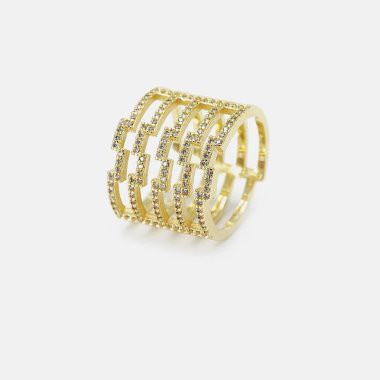
At our company, we offer a wide range of finger rings made from high - quality, hypoallergenic materials. Our Silver Leaf Shape Finger Ring, Latest Multi Cz Finger Ring, and Fruit Finger Ring Gold Plated are designed to minimize the risk of skin irritation while providing stylish and elegant options for our customers.
If you're interested in purchasing finger rings for your business or personal use, we'd love to hear from you. Contact us to start a procurement discussion and find the perfect rings for your needs.
References
- American Academy of Dermatology. (n.d.). Skin Allergies. Retrieved from [Website of AAD]
- Mayo Clinic. (n.d.). Eczema (Atopic Dermatitis). Retrieved from [Website of Mayo Clinic]
- WebMD. (n.d.). Jewelry Allergies. Retrieved from [Website of WebMD]