




Pendant
A pendant is a piece of jewelry that hangs from a chain or cord and is usually worn around the neck. It can be made of various materials, such as metal, gemstones, wood, or glass, and can come in a variety of shapes and sizes. Pendants can be simple and understated or more elaborate and decorative, often featuring intricate designs or symbols that hold personal or cultural significance. They are often gifted as a symbol of love or affection and can be worn as a fashion accessory or a sentimental keepsake.
Advantages of Pendant
Adds style and personality
Pendants are available in various designs from simple and elegant to bold and extravagant. They help to enhance the look of an outfit and reflect the wearer's personality. It can also be used to commemorate a special occasion or event.
Versatile
Pendants can be worn with any outfit, whether casual or formal. They are perfect for office wear, parties, weddings, or everyday wear. It is easy to switch between pendants, depending on the occasion.
Symbolic meaning
Some pendants have symbolic meaning that can express a person's beliefs or spirituality. For example, a cross pendant can represent faith and belief in Christianity. Other pendants can also indicate cultural beliefs or represent a meaningful relationship.
Gift
Pendants make great gifts for any occasion, such as birthdays, anniversaries, graduations, or the birth of a child. They are a timeless gift that can be cherished forever.
Easy to wear
Unlike bracelets or rings, pendants do not get in the way of daily activities. They are easy to wear, and you don't have to worry about them getting caught on anything.
Trendy
Pendants are always in style and are fashionable accessories that can keep up with the latest trends in jewelry. They are timeless pieces that can be passed down from generation to generation.




Why Choose Us
High quality
Our products are manufactured or executed to a very high standard, using the finest materials and manufacturing processes.
Professional team
Our professional team collaborates and communicates effectively with each other, and is dedicated to delivering high quality results. We are capable of handling complex challenges and projects that require our specialized expertise and experience.
Competitive price
We offering a higher-quality product or service at an equivalent price. As a result we have a growing and loyal customer base.
Customized services
Our team of experts will work closely with you to understand your needs and will provide solutions that are tailored to meet your expectations.
Quality control
We have built a professional quality control team to accurately inspect every raw material and every production process.
24H online service
We try and respond to all concerns within 24 hours and our teams are always at your disposal in case of any emergencies.

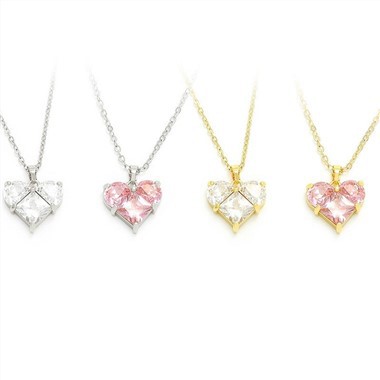
Heart pendants: Heart pendants are popular among couples and signify love and affection. They come in different sizes and materials, such as gold, silver, platinum, and brass. Some heart pendants are adorned with precious gemstones like diamonds, rubies, and sapphires to add more value and appeal.
Religious pendants: Religious pendants are worn as a symbol of faith and belief. Crosses, stars of david, and other religious symbols are often used in religious pendants. These pendants are available in different materials, such as silver, gold, and platinum.
Gemstone pendants: Gemstone pendants feature precious and semi-precious gemstones like diamonds, rubies, emeralds, sapphires, and amethyst. These pendants range from simple to intricate designs and come in different materials and shapes.
Initial pendants: Initial pendants are a personalized type of pendant that features an individual's initials. They are popular gifts for birthdays, graduations, and other occasions.
Animal pendants: Animal pendants feature a variety of animal designs like elephants, cats, dogs, and birds. Some of these pendants are sculpted with intricate details, while others feature simple designs.
Locket pendants: Locket pendants include a compartment to hold pictures or small keepsakes, making them a popular choice for sentimental gifts. They come in various shapes and designs, and some lockets are adorned with precious gemstones, such as diamonds, to enhance their appeal and value.
Statement pendants: Statement pendants are designed to stand out and make a fashion statement. These pendants are often large and bold and feature unique designs, such as geometric shapes, tribal patterns, or abstract motifs.
Material of Pendant
The material of a pendant refers to the substance or elements used to make the pendant. Pendants can be made of various materials, including metals such as gold, silver, platinum, and copper, as well as non-metal materials like wood, glass, stone, and plastic. Metals are commonly used for making pendants due to their durability, luster, and malleability, allowing them to be shaped into intricate designs. Gold is a popular choice for pendants due to its value and timeless appeal. Silver is also a favored option for pendants because of its affordability and versatility. Platinum is a rarer and more expensive metal used for high-end pendants. Non-metal materials like wood and stone are used for creating unique and natural-looking pendants. Glass and plastic are also popular materials for making colorful and affordable pendants.
Application of Pendant
Personal style statement
Wearing a pendant is a great way to express your personal style and add a touch of individuality to your outfit. You can choose from a wide range of designs, shapes, and colors to find a pendant that complements your fashion sense.
Commemorative pieces
Pendants are also used as commemorative pieces by people wanting to preserve special memories or mark milestones in life. For instance, a pendant that features the birthstone of a loved one or a meaningful engraving can serve as a beautiful reminder of a cherished memory.
Religious symbolism
Religious symbols can also be incorporated into pendant designs, making them popular among people who wish to display their faith in a subtle yet stylish way. Crosses, crucifixes, and other religious motifs can be beautifully crafted into pendants that can be worn as a daily reminder of one's faith.
Sentimental value
Pendants can be gifted or bought as sentimental pieces that hold a significant meaning for the wearer. For example, a pendant with a personal message or a photo of a loved one can serve as a reminder of a special relationship and be treasured for years to come.
Design: The first step in making a pendant is to come up with a design. This can be done on paper, using a computer program, or by sculpting a model out of clay or wax. The design should include the size, shape, and style of the pendant, as well as any decorative features.
Material selection: Once a design has been finalized, the next step is to select the appropriate materials. This may include metals such as gold, silver, or platinum, as well as precious or semi-precious gemstones, beads, or other decorative elements.
Shaping: Using specialized tools such as saws, pliers, and hammers, the pendant is shaped from the raw materials according to the design. This may involve cutting, bending, and forming the metal or other materials into the desired shape and size.
Drilling: If the pendant requires a hole or holes for hanging or attaching to a chain, a small drill may be used to create these openings. Care must be taken to ensure that the holes are the correct size and properly aligned.
Polishing: The pendant is polished or buffed to give it a smooth, shiny finish. This could be done by using a variety of polishing agents, such as a polishing cloth or a buffing wheel. After the polishing process, any decorations or additional elements may be added to complete the pendant.

Your style
Pendants come in a variety of styles, so choose one that matches your personal taste. You can choose from minimalist, trendy, vintage, classic, or any other style that suits you.
Material
Pendants can be made from a variety of materials, including gold, silver, platinum, stainless steel, and more. Consider the material that best fits your budget and your skin sensitivity.
Length
Consider the length of the pendant. If you prefer a shorter length, you may want to choose a necklace that sits high on your chest. If you want a longer pendant, you may want to choose a necklace that sits lower on your chest.
Color
Pendants come in different colors, so choose one that complements your skin tone and the rest of your jewelry. If you're not sure which color is best for you, then go for a classic color that goes with everything, like gold or silver.
Meaning
Some pendants have a special meaning or symbolism, so think about what messages you want to convey with your jewelry. For example, a heart pendant may symbolize love, while a cross pendant may be a symbol of faith.
Quality
Choose a pendant that is durable and long-lasting. Look for high-quality materials and a well-made design to ensure that your pendant will last for years to come.
How to Maintain Pendant
Store it properly
When you are not wearing your pendant, make sure to store it properly. Keep it in a jewelry box or a safe place where it won't get tangled or scratched. Try to avoid storing it with other jewelry pieces to prevent scratches.
Clean it regularly
Clean your pendant regularly to keep it looking its best. You can use a soft cloth or a jewelry cleaning solution to wipe away any dirt or oil buildup. Avoid using harsh chemicals as they can damage the metal and the stones.
Avoid exposure to chemicals
Keep your pendant away from harsh chemicals, such as perfume, hairspray, and cleaning products. These chemicals can damage the metal and the stones. Always put on your pendant after applying make-up or spraying perfume.
Take it off when engaging in physical activities
If you are engaging in physical activities such as swimming, exercise, or sports, take off your pendant as it can be easily damaged. Extreme temperatures can also damage your pendant, so don't wear it when you're in a sauna or hot tub.
Check the prongs
The prongs that hold the stones in place can become loose over time, which can cause the stones to fall out. Check them periodically to make sure they are secure. If you notice any loose prongs or stones, take it to a jeweler for repair.
Don't sleep in it
Sleeping in your pendant can cause it to get tangled or scratched, and damage can be done to both the metal and the chain. Take it off before going to bed.

Components of Pendant
Bail
The bail is the loop or hook at the top of the pendant that attaches it to the chain or cord. The size and shape of the bail can vary, depending on the design of the pendant.
Pendant setting
The pendant setting is the metal frame or bezel that holds the gemstone or other decorative element in place. It can be made from a variety of materials, such as gold, silver, platinum, or stainless steel.
Gemstone
Many pendants feature a gemstone or other decorative element that adds to the beauty and value of the piece. The gemstone can be a precious or semi-precious stone, such as diamond, sapphire, ruby, emerald, or topaz.
Bezel
If the pendant has a gemstone or other decorative element, it will typically be held in place by a bezel. The bezel is a metal collar that surrounds the stone and helps protect it from damage.
Chain
The chain is the part of the necklace that goes around the wearer's neck and attaches to the bail of the pendant. The chain can be made from a variety of materials, such as gold, silver, or stainless steel, and can have different thicknesses and styles.
Clasp
The clasp is the mechanism that secures the chain around the wearer's neck. It can be a simple hook or lobster claw, or a more complex mechanism like a spring ring or toggle clasp.
Stamp
Some pendants may have a stamp or hallmark that indicates the metal purity, designer, or other information about the piece. This can add to the authenticity and value of the pendant.
Are Pendant Necklaces Adjustable
Yes, pendant necklaces are often adjustable. This means that you can change the length of the necklace to fit your personal preference or the neckline of your outfit. There are various ways in which pendant necklaces can be adjustable. Some have a chain extender that allows you to lengthen or shorten the chain. Others may have a sliding mechanism that you can adjust to achieve the desired length. Additionally, some pendant necklaces have multiple clasp positions, which allow you to adjust the length of the necklace by fastening the clasp at different points along the chain. The adjustability of pendant necklaces contributes to their versatility and makes them a popular choice for everyday wear and special occasions alike.
Can I Wear a Pendant Necklace with Other Jewelry
Yes, it is perfectly fine to wear a pendant necklace with other jewelry. However, it is important to keep the overall look balanced and not overdo it with too many pieces. For example, if you are wearing a statement necklace, it might be best to skip earrings or opt for simple studs. Alternatively, if you are wearing small stud earrings, you can add a pendant necklace for some extra sparkle or interest. It is also important to consider the overall color scheme and metal tones of your jewelry. If you are wearing a silver pendant, it might look better with other silver-toned jewelry rather than gold. Ultimately, the key is to experiment and find a combination that works for your personal style and the occasion.
Our factory
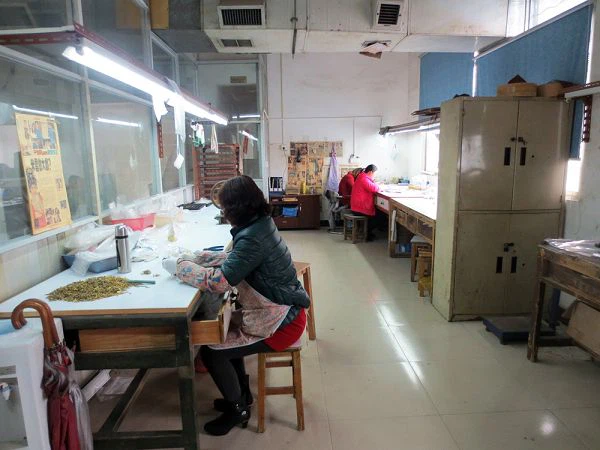
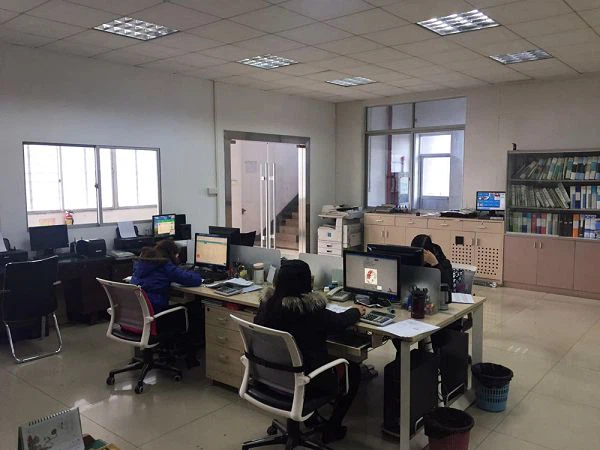
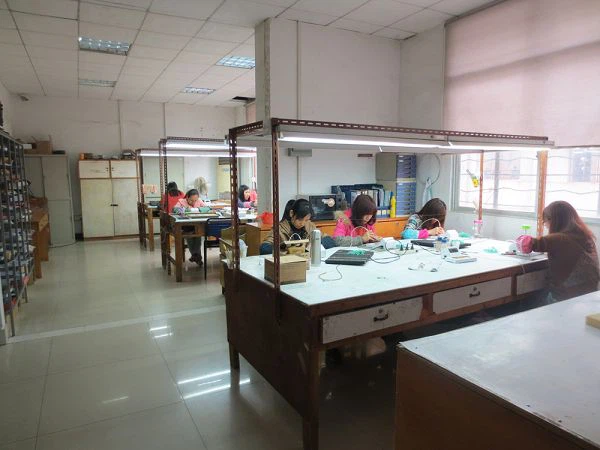
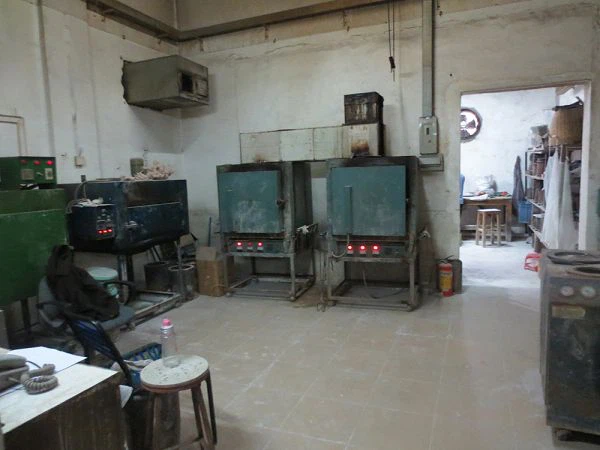
Kiss Diamond was established in 2000, have more than 20 years production experience, high quality, strict and careful inspection, suitable prices, currently we have more than 200 skilled workers, our production capacity is 100,000 piece per month, and strong development capacity 300-500 styles per month, so we always have new styles to show you, we accept OEM and ODM, for customized designs, it’s free for making 3D and new mode if order quantity more than 100pcs only, 7-10 days for sample making, and 15-25 days for mass production. We have helped many customers to own their own brands, which sell well in their markets.
FAQ
Q: What is a pendant necklace?
Q: What are pendant necklaces made of?
Q: How long should a pendant necklace be?
Q: Can I wear a pendant necklace with other jewelry?
Q: Are pendants interchangeable?
Q: How do I care for my pendant necklace?
Q: Are pendant necklaces appropriate for formal occasions?
Q: What are the most popular pendant necklace styles?
Q: How do I know which pendant necklace to choose?
Q: Can pendant necklaces be given as gifts?
Q: Are pendant necklaces adjustable?
Q: Do pendant necklaces come in different shapes?
Q: Can pendant necklaces be engraved?
Q: Are there pendant necklaces for men?
Q: Can pendant necklaces be layered?
Q: Are pendant necklaces easy to wear?
Q: Can pendant necklaces be worn every day?
Q: How can I make my pendant necklace stand out?
Q: Can pendant necklaces be passed down as heirlooms?
Q: Can pendant necklaces be worn by children?