


Traditional jewelry routes are often "Chinese factory-overseas importers-regional distributors-local retailers." After adding layers, a custom piece of jewelry, which costs $300, can cost thousands in the European and American terminal markets. That is now being rewritten.

According to the annual strategy report of Northeast Securities in 2026, the consumption going to sea is becoming the key engine of the brand growth in 2026. Guosen Securities also pointed out that in the first three quarters of 2025, China's cross-border e-commerce import and export volume was about 2.06 trillion yuan, up 6.4% year-on-year, and going to sea has become an important way for Chinese brands to open up the incremental market.
Global demand for customized services is particularly strong in the jewelry sector. The global custom jewelry market is expected to grow to $42.25 billion in 2026, with a compound annual growth rate of 16.06% and $104.89 billion in 2032, according to 360 iResearch. At the same time, the jewelry customization service market is also growing rapidly, the market size is expected to reach 5.86 billion U. S. dollars in 2026, a compound annual growth rate of 7.8%.
Behind this trend is the pursuit of "affordable personalization" by overseas consumers. Traditional luxury jewellery can start in the tens of thousands of dollars, and China's custom jewellery factories, with their digital manufacturing capabilities and efficient supply chains, are able to reduce the threshold dramatically. Deloitte's Global Luxury Power 2026 report shows that super-personalization, experiential retailing and growing second-hand value-sensitive markets are the three core trends shaping luxury consumption in 2026. The report also notes that nearly 31.7% of jewellery executives believe AI will have a major transformative impact on the luxury jewellery industry over the next five years.
For customized jewellery processing plant, facing the overseas market, its core competitiveness is not simple "low price", but "flexible supply chain + direct mode" combination of advantages. Through cross-border e-commerce platforms and the Direct-to-Consumer channel, Kiss Diamond enables the shortest possible flow of custom jewelry from design to delivery, while providing multilingual online design advice and a virtual trial experience. Under the "customer-centric" strategic framework highlighted in the Deloitte report, the competitive landscape in the jewelry customization market is shifting from product orientation to experience orientation.
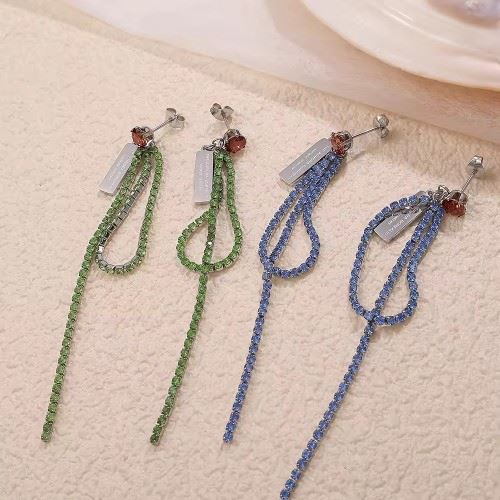
In the global jewelry market in 2026, "made in China" is upgrading from a cheap OEM label to a synonym for "agile customization". And Kiss Diamond to do, it is so that every overseas consumer can at a reasonable price, have a truly belongs to their own, unique jewelry.


