


"Spending 50,000 yuan on a natural diamond ring might yield a resale value of less than 3,000 yuan; meanwhile, a 1-carat lab-grown diamond ring now costs just over 4,000 yuan, and the difference is virtually indistinguishable to the naked eye." This is not alarmist rhetoric, but a true reflection of the diamond market in 2026. As young consumers begin to view jewelry purchases with a pragmatic eye, the logic behind their choices is undergoing a fundamental shift.
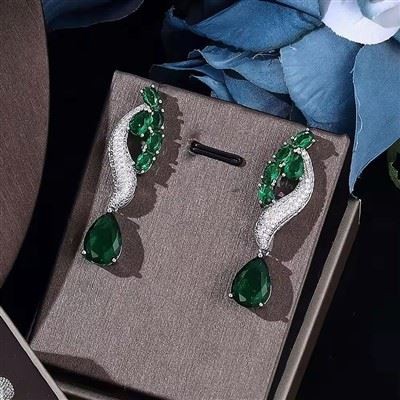
Natural diamonds or lab-grown diamonds?
It's a choice, not a matter of right or wrong. Natural and lab-grown diamonds are identical in chemical composition, hardness, refractive index, and dispersion-both are pure carbon crystals with a Mohs hardness of 10 and a refractive index of 2.42. The only difference lies in the time it takes to form: natural diamonds undergo geological processes spanning hundreds of millions to billions of years, while lab-grown diamonds can be created in a laboratory in a matter of days to weeks. Lab-grown diamonds cost approximately 20% to 40% of the price of natural diamonds of the same grade-natural diamonds are about $7,700 per carat, while lab-grown diamonds are around $1,100-yet they possess exactly the same physical and optical properties. If the primary purpose of buying jewelry is for everyday wear and to enjoy its beauty, lab-grown diamonds are undoubtedly the more cost-effective choice.
The Truth About Resale Value: Don't Let the Word Investment Cloud Your Judgment.
The resale value of ordinary natural diamonds is far lower than advertisements claim. Resellers only consider the 4Cs and the value of the precious metal in the ring setting; brand premiums and sentimental stories are worth nothing in the second-hand market. In contrast, lab-grown diamonds are positioned as consumer goods from the start-enjoy them in the moment, just like buying a smartphone. If you expect your jewelry to hold its value for the future, gold might be a more practical choice; if you're simply seeking the joy of wearing it, the money saved on lab-grown diamonds could cover a honeymoon or home upgrades.
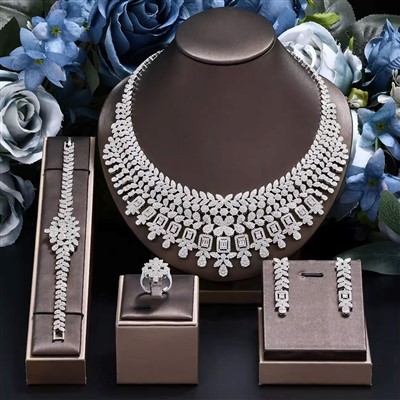
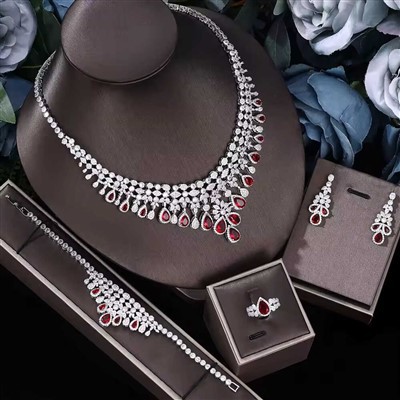
What should you look out for when buying lab-grown diamonds?
Experts point out that some low-priced lab-grown diamonds, due to overly deep cuts or excessively large table surfaces, can actually appear to have "fake fire"-their overly glaring sparkle lacks the warm, radiant quality of natural diamonds. When selecting a stone, ensure the cut is rated 3EX (Excellent) and the pavilion depth is kept around 43% to avoid a dark appearance or excessive glare. For the ring setting, 950 platinum is recommended, as lab-grown diamonds are generally whiter; 18K white gold tends to yellow over time with prolonged wear, diminishing the overall quality. Additionally, always request a certification from an authoritative institution such as IGI or NGTC.
The mindset of young consumers has shifted: from investment anxiety to enjoyment of consumption.
With lab-grown diamonds accounting for over 40% of global sales and chosen by 53% of young Chinese couples for their wedding rings, an increasing number of consumers realize that jewelry is first and foremost an item meant to bring them joy, with other attributes coming second. The tens of thousands of yuan saved are enough to cover a honeymoon budget or upgrade home appliances. When a piece of jewelry brings you joy every time you wear it, its value has already been realized.
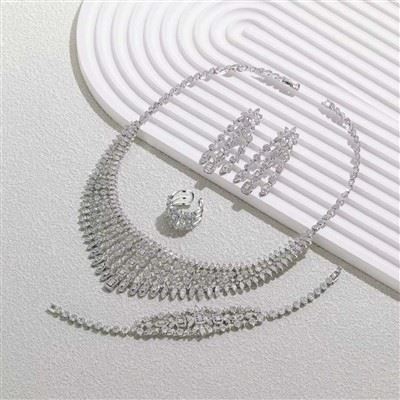
Kiss Diamond's custom jewelry workshop caters to the diverse budgets and preferences of consumers. Whether you seek the rarity of natural diamonds or the value of lab-grown diamonds, Kiss Diamond provides transparent pricing, authoritative certificates, and professional design support, ensuring every consumer can make the choice that best suits them.


