


Since the beginning of this year, the persistent volatility in precious metal prices has become an unavoidable topic for the global jewelry industry. Gold prices have surged significantly, with prices on the New York Mercantile Exchange briefly hitting an all-time high, while silver prices also reached a recent peak toward the end of the year. Although the high cost of raw materials initially put pressure on jewelers, it unexpectedly sparked a design revolution centered on "minimalism."
Faced with persistently rising gold prices, the industry is shifting away from the traditional focus on sheer carat weight toward reshaping product forms through creativity and craftsmanship. Precious metals, particularly platinum, are regaining favor among designers due to their durability and understated luxury. Lighter structural designs and refined craftsmanship are becoming mainstream, striving to maximize the aesthetic value of every gram of precious metal.
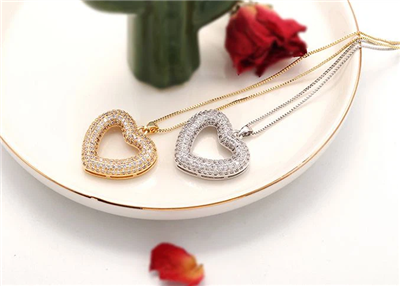

Behind this design innovation, a digital technology-driven transformation in manufacturing is quietly gaining momentum. 3D printing technology is fundamentally rewriting the rules of jewelry production. The global market for this industry is projected to grow rapidly from approximately $1.25 billion in 2025 to nearly $6.7 billion by 2034, with a compound annual growth rate exceeding 20%. The greatest appeal of this technology lies in its ability to break through geometric constraints, effortlessly creating openwork, interlaced, and extremely complex streamlined structures that are difficult to achieve with traditional hand-carved wax models. The new generation of high-speed 3D wax printer not only significantly improves production efficiency but also minimizes the loss of precious metals during the polishing and finishing stages-a critical factor in today's cost-sensitive market.
The penetration of technology has not only transformed the supply side of manufacturing but has also reshaped the barriers to owning luxury goods on the consumer end. Similarly, in the realm of customization, advanced manufacturing technologies allow jewelers to avoid costly mold expenses. For instance, cutting-edge techniques such as metal powder bed fusion are significantly reducing the production complexity of high-end wedding rings made of platinum and intricate earrings. An Italian jeweler keenly identified this market demand in early 2025 and launched a new brand line featuring mid-weight jewelry that makes greater use of metal materials, reinterprets classic design elements, and incorporates larger gemstone settings. This design, which bridges the gap between traditional high-end jewelry and trendy accessories, transforms high-quality precious metal jewelry from a "treasure tucked away in the back of the closet" into an essential piece that can adorn everyday life at any time.

For well-traveled international buyers, a piece of jewelry that incorporates cutting-edge digital design concepts is not only a symbol of taste but also a microcosm of an era where art and technology converge.


