




Pearl Earring
A pearl earring is a piece of jewelry that features one or multiple pearls as the main element. A pearl is a natural gemstone created inside the shell of certain mollusks, such as oysters or mussels, and prized for its lustrous and iridescent surface. Pearl earrings can come in various styles and designs, such as studs, drops, hoops, and chandelier, and can be made of different materials, including gold, silver, or platinum. They are often worn as a symbol of elegance, refinement, and sophistication and are suitable for both formal and casual occasions.
Advantages of Pearl Earring
Timeless look
Pearl earrings have been popular for centuries and have stood the test of time as a classic and elegant accessory. They can be worn with almost any outfit and for any occasion.
Versatility
Pearl earrings come in a variety of styles, sizes, and shapes to suit every taste, from simple pearl studs to intricate chandelier drop earrings. They can also be paired with other accessories like necklaces and bracelets without clashing.
Complementary to any skin tone
Pearls come in a range of colors from white, pink, black, and golden, making them complementary to every skin tone.
Durable
Pearls are a naturally occurring gemstone and are therefore highly resistant to wear and tear compared to other types of jewelry. With proper care, they can last for decades.
Investment
Pearls are a valuable gemstone and retain their value over time. They can be passed down through generations and make a great investment for those looking to build their jewelry collection.
Safe for sensitive skin
Pearls are a hypoallergenic material, which means they are less likely to cause skin irritation or allergic reactions compared to other materials like metal or plastic.


Why Choose Us
High quality
Our products are manufactured or executed to a very high standard, using the finest materials and manufacturing processes.
Professional team
Our professional team collaborates and communicates effectively with each other, and is dedicated to delivering high quality results. We are capable of handling complex challenges and projects that require our specialized expertise and experience.
Competitive price
We offering a higher-quality product or service at an equivalent price. As a result we have a growing and loyal customer base.
Customized services
Our team of experts will work closely with you to understand your needs and will provide solutions that are tailored to meet your expectations.
Quality control
We have built a professional quality control team to accurately inspect every raw material and every production process.
24H online service
We try and respond to all concerns within 24 hours and our teams are always at your disposal in case of any emergencies.

Stud earrings:These are the simplest and most classic type of pearl earrings. They consist of a single pearl that is mounted on a post with a butterfly or screw back. They can be worn for any occasion and are a timeless staple of any jewelry collection.
Drop earrings:These earrings feature a pearl or pearls that dangle down from a hook or wire. They can be simple or ornate, with multiple pearls, diamonds, and other gemstones incorporated into the design. Drop earrings are perfect for adding a touch of glamour to an evening outfit.
Hoop earrings:These earrings have a circular shape and feature pearls or other gems set along the hoop. They can be small and delicate or large and dramatic, and are perfect for those who want a more statement-worthy look.
Cluster earrings:These earrings feature a group of smaller pearls or other gems arranged in a cluster. They can be simple or elaborate, with different colors and shapes of pearls mixed together for a unique look.
Chandelier earrings:These earrings feature multiple tiers of pearls and gems arranged in a cascading pattern. They are perfect for formal occasions and add drama and sophistication to any outfit.
Threader earrings:These earrings consist of a long chain or thread that runs through the ear and is adorned with a pearl or gems. They are simple yet stylish and add a touch of whimsy to any outfit.
Clip-on earrings:These earrings are designed to be worn by those who do not have pierced ears. They feature a clip-on mechanism that attaches to the earlobe, and can be found in a variety of styles, including studs, drops, and clusters.
Application of Pearl Earring
Fashion accessory
Pearl Earrings are commonly worn as a fashion accessory that can add a touch of elegance and sophistication to any outfit. They come in different styles and sizes, and can be worn to complement any outfit, from a formal dress to a casual outfit.
Symbol of wealth
Pearls have historically been associated with wealth and luxury. Wearing a Pearl Earring is seen as a sign of affluence and success, and has been used by wealthy individuals to demonstrate their financial status.
Bridal accessory
Pearls are often used in bridal wear and are considered a symbol of purity and innocence. Pearl Earrings are often worn by brides on their wedding day as a way to add a touch of elegance and sophistication to their bridal look.
Religious use
Pearls have always held religious significance in different cultures and religions. In Christianity, Pearls are often associated with the Kingdom of Heaven and the teachings of Jesus. Pearl Earrings are often worn by Christians as a way to express their faith and devotion.
The process of creating a pearl earring starts with the collection of pearls. Pearls are either farmed or found in the wild, with farmed pearls being more commonly used in jewelry-making due to their consistent size and shape. Once the pearls are collected, they are sorted by size and quality. The best quality pearls are chosen for use in high-end jewelry, while lower quality pearls may be used in more affordable pieces. Next, the chosen pearls are typically drilled to create a small hole through the center. This hole will be used to attach the pearl to the earring post or hook. If the earring includes any metal components, such as posts or hooks, these are made separately using techniques such as casting or forging. The metal may be cut, shaped, and polished to create the desired design. Once the metal components are ready, the pearls are attached to the earring using various techniques. Some earrings may simply use a small metal post that is inserted into the drilled hole in the pearl, while others may use a glue or adhesive to ensure a secure connection. Finally, the earrings are assembled and polished to create a finished piece of jewelry. This typically includes attaching any additional, decorative components such as gemstones or beads, and ensuring that the metal components are properly soldered or welded together.
Size and shape of the pearls
Pearls come in different sizes and shapes, ranging from small, round pearls to large, irregular-shaped pearls. The size and shape of the pearl earrings will ultimately depend on personal preference and the occasion for which they will be worn.
Quality of the pearls
The quality of the pearl is also an important consideration. Factors such as the luster, surface quality, nacre thickness, and color should all be taken into account when selecting pearl earrings. A high-quality pearl will have a bright, reflective luster, a smooth surface, thick nacre, and a uniform color.
Type of pearls
There are several types of pearls to choose from freshwater pearls. Each type of pearl has its own unique characteristics, such as size, color, and luster, so it is important to consider which type of pearl will best suit your style and budget.
Setting and metal type
The setting and metal type of the earrings can also affect their appearance and durability. Popular metals for pearl earrings include gold, silver, and platinum. The setting can range from simple studs to more elaborate designs with dangling pearls or added gemstones.
Personal style
Ultimately, the choice of pearl earrings will depend on personal style and preferences. Consider factors such as the occasion they will be worn for, the outfit they will be paired with, and any other jewelry or accessories that will be worn with them.

Keep them away from chemicals
Pearls can easily be damaged by chemicals like hairspray, perfume, and makeup. Make sure to apply all products before putting on your pearl earrings. Also, be sure to remove your earrings before swimming or bathing in pools since the chlorine can cause damage.
Wipe them clean
After wearing your pearl earrings, wipe them clean with a soft cloth, like a microfiber cloth, to remove any dirt or oil. Avoid using abrasive materials, like paper towels or rough cloth, as they can scratch the surface of the pearl.
Store them properly
Pearls are very delicate and can be easily scratched. Store your pearl earrings separate from other jewelry in a soft pouch or box. Make sure to keep them away from direct sunlight as prolonged exposure can also harm the pearls.
Have them restrung
Over time, the string holding the pearls together may become stretched or frayed. This can cause the pearls to break or become lost. Take your pearl earrings to a jeweler to have them restrung every few years to prevent this from happening.
Avoid extreme temperatures
Extreme temperatures can damage pearls. Avoid exposing them to heat or cold for prolonged periods of time. Also, avoid storing them in areas with high humidity as this can cause the pearls to become discolored or damaged.
Components of Pearl Earring
Pearl
The most prominent component of a pearl earring is, of course, the pearl itself. Pearls come in a wide range of colors, sizes, and shapes, and can be sourced from various types of mollusks.
Earring post
This is the part of the earring that passes through the earlobe and secures the earring in place. Posts can be made from a variety of materials, depending on the desired look and feel of the earring. Common materials include gold, silver, platinum, and stainless steel.
Earring back
The earring back is the piece that sits behind the earlobe and holds the earring in place. There are several different types of earring backs available, including friction backs, screw backs, and push backs.
Setting
The setting of a pearl earring refers to the metal framework that holds the pearl in place. Settings can be simple or elaborate, and may feature additional embellishments like diamonds or other gemstones.
Hooks/hoops
Some pearl earrings may feature hooks or hoops instead of posts. Hooks are typically curved or angled wires that pass through the earlobe and dangle below, while hoops are circular or semi-circular pieces that hug the earlobe.
Chain/bail
In some styles of pearl earrings, a chain or bail may be used to connect the pearl to the earring post or hook. Chains can add movement and fluidity to the design, while bails offer a more secure and stable attachment.
What Is the Difference Between Freshwater and Saltwater Pearls in Pearl Earrings
Freshwater and saltwater pearls are both types of pearls, but they come from different sources and have distinct characteristics that set them apart. Freshwater pearls come from freshwater mussels and are cultured in rivers, lakes, and ponds. They are generally less expensive than saltwater pearls and have a wider range of colors, including pastels and brighter shades. Freshwater pearls tend to be slightly more irregular in shape and may have a slightly less lustrous sheen than saltwater pearls. Saltwater pearls, on the other hand, come from oysters or mollusks that live in saltwater. They are typically more expensive than freshwater pearls and come in a more limited range of colors, such as white, black, and golden. Saltwater pearls are generally more perfectly round and have a higher luster, making them more sought after for high-end jewelry. In terms of durability and care, both freshwater and saltwater pearls are relatively fragile and require special cleaning and handling to maintain their beauty and luster. However, saltwater pearls are generally considered to be slightly more durable and resistant to wear over time. When it comes to pearl earrings, the choice between freshwater and saltwater pearls ultimately depends on personal preference and budget. Freshwater pearls offer a wider range of colors and are generally more affordable, while saltwater pearls are prestigious, high-end gems that offer superior luster and classic, timeless elegance.
How Do I Know if My Pearl Earrings Are Real
Check for luster
Real pearls have a natural luster or shine to them that is not found in fake or imitation pearls. Hold the earrings up to a light source and observe the glow or shimmer.
01
Examine the surface
Real pearls have an uneven, bumpy surface with minor imperfections, known as "irregularities." If the surface of your pearl earrings looks too smooth and perfect, they may be fake.
02
Check the nacre thickness
The nacre is the coating that gives pearls their unique color and texture. A real pearl will have a thick nacre layer, while fake pearls will have a thin, painted layer that chips away after time.
03
Weight
Real pearls are heavier than imitation pearls. If your earrings feel too light, they may be fake.
04
Test with your teeth
Gently rub the pearls against your front teeth. Real pearls will have a slightly gritty feel, while fake pearls will feel smooth and slippery.
05
Our factory
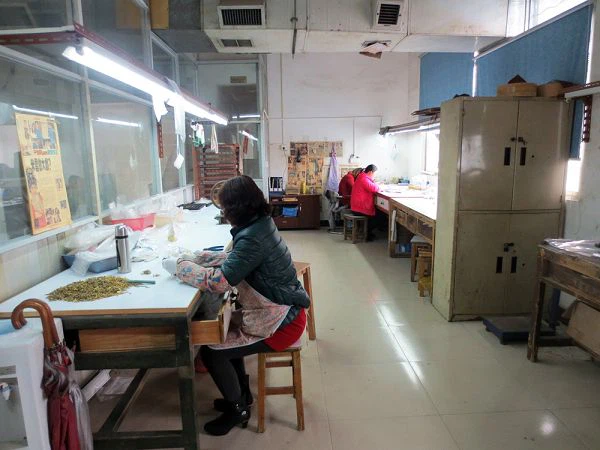
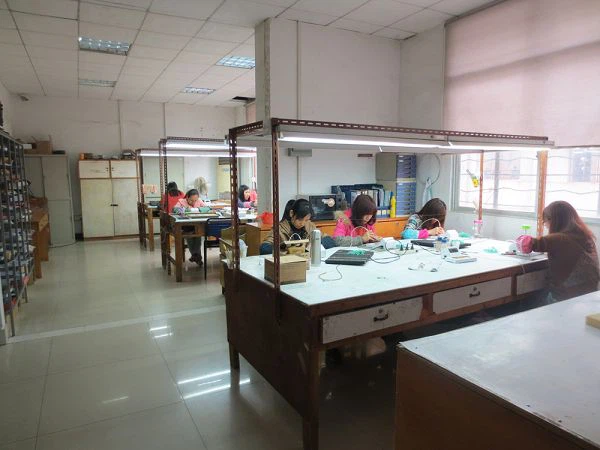
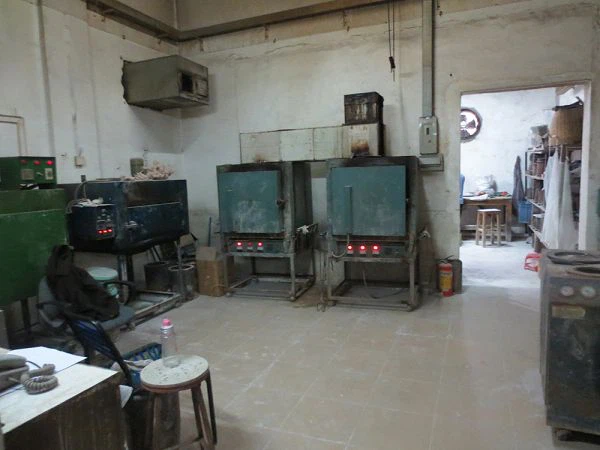
Kiss Diamond was established in 2000, have more than 20 years production experience, high quality, strict and careful inspection, suitable prices, currently we have more than 200 skilled workers, our production capacity is 100,000 piece per month, and strong development capacity 300-500 styles per month, so we always have new styles to show you, we accept OEM and ODM, for customized designs, it’s free for making 3D and new mode if order quantity more than 100pcs only, 7-10 days for sample making, and 15-25 days for mass production. We have helped many customers to own their own brands, which sell well in their markets.

FAQ
Q: What is a pearl earring?
Q: What types of pearls are commonly used in pearl earrings?
Q: What makes a pearl valuable in a pearl earring?
Q: How do I care for my pearl earrings?
Q: How do I clean my pearl earrings?
Q: What is the difference between freshwater and saltwater pearls in pearl earrings?
Q: How do I choose the right size of pearl earrings?
Q: How do I know if my pearl earrings are real?
Q: What is the difference between cultured and natural pearl earrings?
Q: Can I wear pearl earrings with any outfit?
Q: What is the best color for pearl earrings?
Q: Can I wear pearl earrings with other types of jewelry?
Q: How do I know if my pearl earrings are damaged?
Q: Can pearl earrings be customized?
Q: What is a pearl earring jacket?
Q: What is the difference between a stud and dangle style pearl earring?
Q: Can I wear pearl earrings if I have sensitive ears?
Q: What is the cost of a typical pearl earring?
Q: How do I style my hair with pearl earrings?
Q: Where can I find a high-quality pearl earring?